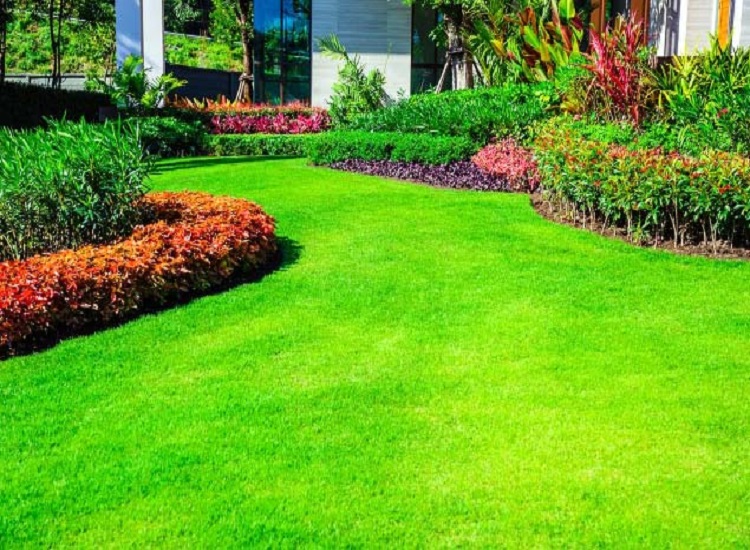
In addition to creating value that can be realized at the time of sale, a picture-perfect lawn also lends an air of peace, calm, and beauty to virtually all types of homes. Like many things in life, though, these benefits come at the cost of determination, effort, and hard work.
A perfect lawn begins with the right selection of grasses. Factors to consider include the general climate as well as the microclimate created by the availability of shade on the lawn area. You must also take into account the amount of foot traffic the lawn will have to tolerate as well as the types of pests to be found in your area.
Once you know what kind of grasses will work best, you must decide if you prefer to start from seed – an economical option — or if you will use sod, which is more expensive but returns much faster results. Before using either method, prepare the soil by working in nutrients and make sure that the lawn area enjoys adequate drainage to keep the soil from becoming waterlogged. As the lawn grows, you will need to take care of it by regularly watering and fertilizing the grass, always making sure that you do not apply too much of either; excess feeding and watering can actually weaken the grass and make it vulnerable to a variety of pests.
Unfortunately, creating an excellent growing habitat for grass also creates one for weeds, which are inevitable in most cases. They are not, however, insurmountable. Most people prefer to use a chemical solution to eradicate weeds; one simple way to keep the yard free of weeds is by simply going on a “weed walk” each morning and spraying any sprouts that have emerged. An alternative is to apply a general herbicide across the entire lawn in the early months of spring. Of course, there is always the tried and true method of pulling weeds by hand.
Improving the general look of a garden: key tips
The single best tip for having a beautiful garden is to space out ornamental plants. Most people plant them too close together at the outset, not truly realizing how big each plant will grow. In just a few months, the result is visual crowding.
A coordinated blend of colors in your ornamentals is also important. Select two or three colors at the most and choose flowers that will bloom in those hues. This will help to avoid a mish-mash appearance resembling a mixed-up jigsaw puzzle and give your visitors focal points where they can rest their gaze.
Other garden options
Another way to arrange yard space is to construct a patio area where the emphasis is on comfortable seating and ample shade rather than lawn space. A patio is an ideal location for since that ground cover option will make the entire area nearly maintenance-free while still adding color.
Themed gardens are also growing in popularity. Adopting a theme allows you to personalize your garden space so that it reflects your interests, becoming almost an extension of the indoor spaces that do the same thing. A homeowner concerned about wildlife preservation, for example, can develop a garden that attracts the local wildlife so that the patio area becomes a viewing station for watching the antics of the birds and small mammals that come to visit.